All Points Garage Doors: Top Guidance for Diagnosing Typical Concerns
All Points Garage Doors delivers essential insights into frequent garage door problems. Numerous homeowners encounter issues including misalignment, noise, or malfunctioning remotes. Being aware of these concerns is vital for successful problem resolution. Straightforward actions can commonly fix smaller issues. Yet, ongoing problems may suggest more serious underlying causes. Reviewing upkeep strategies and understanding when to contact an expert can greatly impact the lifespan of a garage door system. What key points should be reviewed prior to attempting any fixes?
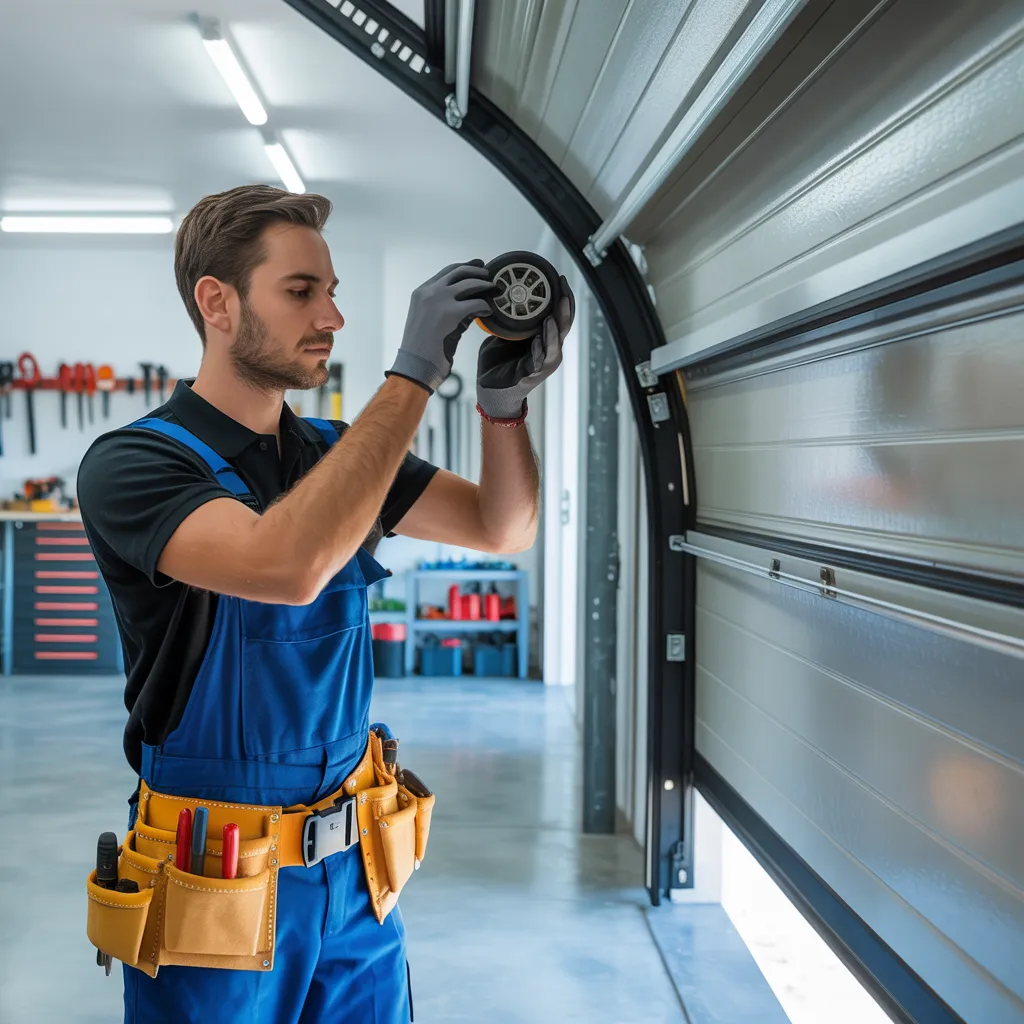
Frequent Garage Door Issues and Their Warning Signs
Garage doors are known to show a variety of problems that can interfere with their operation. One common problem is misalignment, which can cause the door to become stuck or not close properly. Signs of this issue include gaps at the top or bottom of the door when closed or uneven movement during operation. Remote control malfunction is another frequent concern, evidenced by the door not responding despite pressing the buttons. Moreover, worn springs may result in difficulty when opening the door or audible noise during use; this often requires immediate attention. An additional sign to monitor is a door that unexpectedly reverses direction, suggesting a possible obstruction or sensor issue. Lastly, rust or corrosion may impact tracks and rollers, leading to a jerky movement. Detecting these symptoms promptly can assist in preventing major problems and ensure the door runs smoothly.
How to Troubleshoot a Garage Door That Won't Open
A stuck garage door can be frustrating, especially when it prevents access to essential belongings. As a first step, inspecting the power supply is recommended; confirming the opener is connected and the circuit breaker is functioning can fix numerous problems. Additionally, examining the batteries in the remote control is advisable. In the event the batteries are worn out, swapping them out could reestablish normal function.
If the door continues to remain closed, examine the tracks for dirt or debris. Clearing any obstructions can typically help the door glide without resistance. In addition, checking the alignment of the sensors is essential; improperly positioned sensors can cause operational issues.
If these steps do not yield results, one should consider manually operating the door. Engaging the emergency release cord can facilitate manual movement. However, if the problem persists, it may be necessary to contact a professional to assess and address more complex concerns, guaranteeing the safe and dependable function of the garage door.
Resolving Noisy Garage Door Issues
Noisy garage doors can be a nuisance, commonly suggesting hidden issues that demand consideration. Pinpointing the causes of the sound, greasing the moving mechanisms, and fastening any loosened hardware are essential steps to restore quiet operation. Addressing these factors can greatly enhance the door's performance and longevity.
Recognize Noise Sources
How can homeowners pinpoint the sources of noise from their garage doors? Determining where the noise originates is key to effective problem-solving. Homeowners should start by observing the door's operation while opening and closing it. Listening for specific sounds—such as grinding, squeaking, or rattling—can indicate different issues. Additionally, inspecting various components, including the tracks, rollers, and copyrights, may reveal wear or damage. A thorough check of the garage door opener and springs should also be conducted, as these can contribute to unwanted sounds. By methodically assessing these parts, homeowners can develop a better grasp of the noise sources, opening the door to effective solutions. This forward-thinking strategy can significantly improve the door's functionality and lifespan.
Lubricate All Moving Components
Maintaining smooth operation of garage doors typically demands routine lubrication of mechanical components. Over time, components such as copyrights, rollers, and tracks can become dry, resulting in greater friction and unwanted noise. Using a silicone-based lubricant or lithium grease on these components can significantly minimize noise and enhance performance. It is crucial to avoid using WD-40 or similar products, because they draw in dust and dirt, making the problem worse in the long run. Regularly inspecting these parts for wear and tear can also guarantee longevity. A properly lubricated garage door functions smoothly and with minimal noise, enhancing the overall experience of using the garage. This simple maintenance step can prevent more serious issues down the line, promoting the door's long-term reliability and performance.
Tighten Unsecured Hardware
Securing loose components can greatly reduce the clanking and rattling noises that frequently affect garage doors. Over time, screws, bolts, and brackets may become loose due to everyday use and environmental conditions. This looseness can lead to unwanted noise as the door moves. To correct this issue, homeowners should check all hardware, including copyrights, tracks, and roller brackets. A basic visual inspection can often identify loose parts. Using the proper tools, such as a socket wrench or screwdriver, tightening these sections can bring back stability and limit noise. Routine upkeep, including periodic checks for loose hardware, is necessary to ensure longevity and efficient operation of the garage door. This proactive approach can boost the overall efficiency of the system.
How to Address an Imbalanced Garage Door
A garage door that is out of balance can cause a range of issues, ranging from excessive noise to significant damage. To resolve this issue, one must first inspecting the door's springs and cables for wear or damage, as these parts play a critical role in maintaining balance. Should the springs show signs of age or fraying, they must be swapped out to bring back the appropriate tension. Next, examine the rollers and tracks for potential blockages or alignment issues that might interfere with the door's functionality.
Adjustments to the tension on the springs might also be required. This may be accomplished using a wrench to secure or relax the spring, ensuring equal tension on both sides. If the door stays out of balance, it might be advisable to consult a professional technician. Regular checks and timely repairs can prevent further complications, ensuring the garage door functions smoothly and reliably.
How to Maintain Your Garage Door
Regular maintenance is vital for the longevity and functionality of a garage door. Homeowners should begin by inspecting the door and its components a minimum of two times annually. Checking for signs of wear, such as rust or frayed cables, can avoid potential problems. Greasing the mechanical parts, including rollers, copyrights, and tracks, promotes efficient movement and decreases wear and tear.
Moreover, checking the door's protective mechanisms, such as automatic reversal systems, helps ensure safe and effective use. Cleaning the tracks and removing debris reduces the All Points Garage Doors risk of blockages that could interfere with proper function.
Fine-tuning the springs and verifying proper alignment are also essential; however, these steps may require professional help. Finally, preserving the weather seal helps improve energy efficiency while protecting against the outdoor elements. By adhering to these recommendations, homeowners can increase the longevity of their garage doors and sustain top-level operation.
When You Should Call a Professional for Repairs
Recognizing when to contact a skilled technician for garage door repairs is critical for safe and proper operation. Extensive damage, consistent malfunctions, and potential safety issues should require prompt expert assistance. Handling these matters without delay can avoid additional complications and secure reliable performance.
Serious Damage Analysis
When significant damage takes place, evaluating the extent of the problem proves critical in deciding if professional intervention is required. Clear evidence of substantial damage includes large dents, broken springs, or misaligned tracks. Such problems can jeopardize safety and performance, making it imperative to address them promptly. Moreover, when the garage door does not perform as expected, strange sounds emerge, or there are issues with the remote or keypad, this may signal underlying mechanical issues. Property owners should also take into account the door's age; older models may require more extensive repairs or even replacement. In these situations, seeking guidance from a specialist experienced in garage door systems will provide a detailed inspection and reliable solution, keeping the property and its residents safe.
Frequent Failure Patterns
When examining extensive damage, homeowners may notice frequent malfunction patterns that warrant professional attention. Typical problems involve doors that struggle to open or close properly, strange sounds during use, and unreliable response to remote controls. Such symptoms commonly point to deeper mechanical or electrical issues, such as worn-out springs, faulty sensors, or faulty wiring. When these concerns remain after initial troubleshooting, consulting a qualified professional is recommended. Routine upkeep can assist in avoiding these issues, but when they develop, they indicate that DIY repairs may be insufficient. Timely intervention by a qualified technician can ensure safety and recover full functionality, significantly increasing the longevity of the garage door system. Residents are encouraged to pursue professional support when confronted with recurring malfunctions.
Security Concerns Present
While numerous garage door problems can be addressed through simple troubleshooting, particular safety matters demand immediate expert involvement. When a garage door displays unpredictable behavior, like opening or shutting without warning, it presents serious dangers to both people and property. Failures in the door's safety sensors or springs may result in serious injuries or accidents. Moreover, if there are clear signs of damage, including deteriorated cables or misaligned tracks, these circumstances warrant contacting a qualified technician. Attempting repairs in these situations can exacerbate the problem or create new hazards. Therefore, when personal safety is a concern, it is wise to enlist professional help to ensure appropriate management and resolution of the problems.

Frequently Asked Questions
How Often Should I Inspect My Garage Door?
Garage doors ought to be examined at least twice a year to ensure they function correctly. Periodic examinations can uncover developing concerns ahead of time, which helps preserve safety and extend the lifespan of the door and its parts.
What Are the Different Types of Garage Door Materials?
Numerous types of garage door materials include aluminum, steel, wood, vinyl, and fiberglass. Each material offers distinct advantages, ranging from durability and curb appeal to insulation qualities, enabling homeowners to select the best fit for their individual needs and preferences.
Is It Possible to Replace My Garage Door Opener on My Own?
Absolutely, one can handle a garage door opener replacement without professional help, so long as they are equipped with the necessary tools and adhere to the manufacturer's guidelines. Even so, caution is advised, as faulty installation risks causing safety hazards or functionality issues.
How Do Weather Changes Affect Garage Doors?
Changing weather conditions strongly influence residential garage doors. Severe temperature fluctuations can cause expanding or contracting of door materials, leading to poor alignment, reduced performance, or failing parts, which ultimately affects the door's operation and longevity over time.
What Safety Features Should My Garage Door Have?
A garage door system should include security components such as automatic reversal functions, photo-eye sensors, and robust security locks. These components enhance safety by minimizing accidents and blocking unauthorized access, ensuring peace of mind for homeowners.